 admin
admin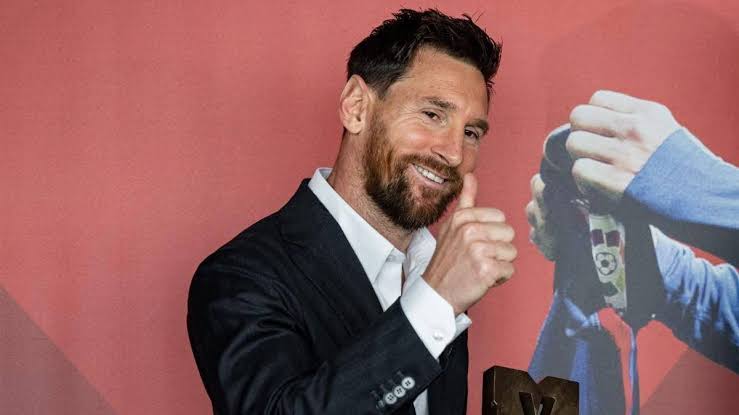
BUENOS AIRES — From a quiet boy in Rosario struggling with growth hormone deficiency to the undisputed icon of global sports, Lionel Andrés Messi’s path to footballing immortality reads like a masterclass written across two decades. With his decision to step away from international duty for Argentina at age 39, one of the most remarkable chapters in modern athletic history comes to a close.
Early Struggles & The Growth Hormone Battle
Born on June 24, 1987, in Rosario, Argentina, Messi joined the local youth club Abanderado Grandoli at age four before moving to Newell’s Old Boys. His extraordinary raw talent was undeniable from his first touch, but at age 11, he was diagnosed with a growth hormone deficiency (GHD).
With local clubs unwilling to cover the costly medical treatments, his parents, Jorge and Celia, took a massive leap of faith. In late 2000, FC Barcelona offered to pay for his medical therapy if he signed with their famed youth academy, La Masia. The initial agreement famously took place on a paper napkin a humble contract that altered the course of sports history forever.
The Golden Era at FC Barcelona
Rising rapidly through La Masia, Messi made his official first-team debut for Barcelona in October 2004. Over the next 17 seasons, he orchestrated the most dominant club era in modern football alongside midfield maestros Xavi and Andrés Iniesta, under the tactical guidance of Pep Guardiola.
During his legendary tenure at Camp Nou, Messi transformed into an unbeatable force:
* Club Honours: 10 La Liga titles, 4 UEFA Champions League trophies, and 7 Copa del Rey crowns.
* Individual Record: 672 goals in 778 official matches making him the all-time top scorer for a single club.
* Unprecedented Milestone: In 2012, he scored 91 goals in a single calendar year, breaking Gerd Müller’s decades-old record.
Financial turmoil at Barcelona forced an emotional farewell in August 2021, leading him to Paris Saint-Germain, where he won two Ligue 1 titles before joining Inter Miami CF in Major League Soccer in 2023.
International Redemption: Heartbreak to Glory
For years, the one shadow over Messi’s legacy was the international game. Despite carrying Argentina to consecutive major finals including the 2014 World Cup final loss to Germany senior silverware remained elusive, leading to intense scrutiny back home.
However, the twilight of his career produced one of the most romantic turnarounds in sports history:
Tournament | Outcome | Legacy Impact
2021 Copa América | Champion 🏆 | Ended Argentina’s 28-year senior trophy drought in Rio.
2022 Finalissima | Champion 🏆 | Dominated European champions Italy at Wembley.
2022 FIFA World Cup | Champion 🏆 | Won the Golden Ball after scoring 7 goals in Qatar, cementing his GOAT status.
2024 Copa América | Champion 🏆 | Secured back-to-back continental titles.
2026 FIFA World Cup | Runner-up 🥈 | Led Argentina to a second consecutive final at age 39.
The Final Chapter
Messi finishes his international career with 207 caps and 125 goals, leaving behind an unmatched record as Argentina’s all-time top scorer and most-capped player.
While he continues to entertain fans in Major League Soccer with Inter Miami, his farewell to La Albiceleste marks the end of an era. Lionel Messi gave football everything he had—and in return, the sport crowned him as its ultimate icon.