 admin
admin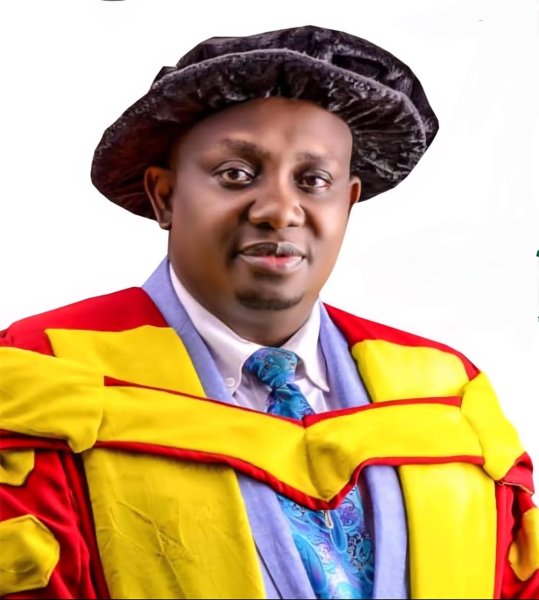
Nnamdi Azikiwe University, Awka, has introduced digital clearance and certificate systems as part of efforts to reduce delays in students’ graduation and make academic processes more efficient.
The Vice-Chancellor of the university, Prof. Ugochukwu Bond Anyaehie, disclosed this during the 2026 International Convention of the Nnamdi Azikiwe University Alumni Association in Abuja. The convention was held under the theme, “Innovation, Integrity and Inclusion: Rekindling the Zik Vision for a New Era.”
Anyaehie said the new digital clearance system would allow graduating students to complete the process remotely, eliminating some of the delays associated with manual procedures. He said students would be able to complete their clearance from anywhere in the world, with approval expected within five days.
The Vice-Chancellor also disclosed that the university had introduced a system that automatically generates provisional certificates after students complete their clearance. According to him, the certificates would carry barcodes that employers and other institutions could scan to verify their authenticity.
He explained that the digital certificates would make it easier for graduates to present verifiable credentials when applying for jobs or seeking admission into other institutions. UNIZIK had previously confirmed that its digitalisation programme includes digitally verifiable certificates with barcodes designed to improve verification and discourage fraudulent practices.
Anyaehie further said the university had digitised its transcript processing system to speed up the release of academic transcripts. He urged staff responsible for the process to ensure that students and graduates were not subjected to unnecessary delays.
The Vice-Chancellor also announced plans to improve classroom facilities, stressing that students should not have to attend lectures in classrooms without adequate seating and other essential facilities. He said his administration would continue to reposition the university through collaboration with alumni and other partners, adding that collective efforts would help the institution achieve more.