 admin
admin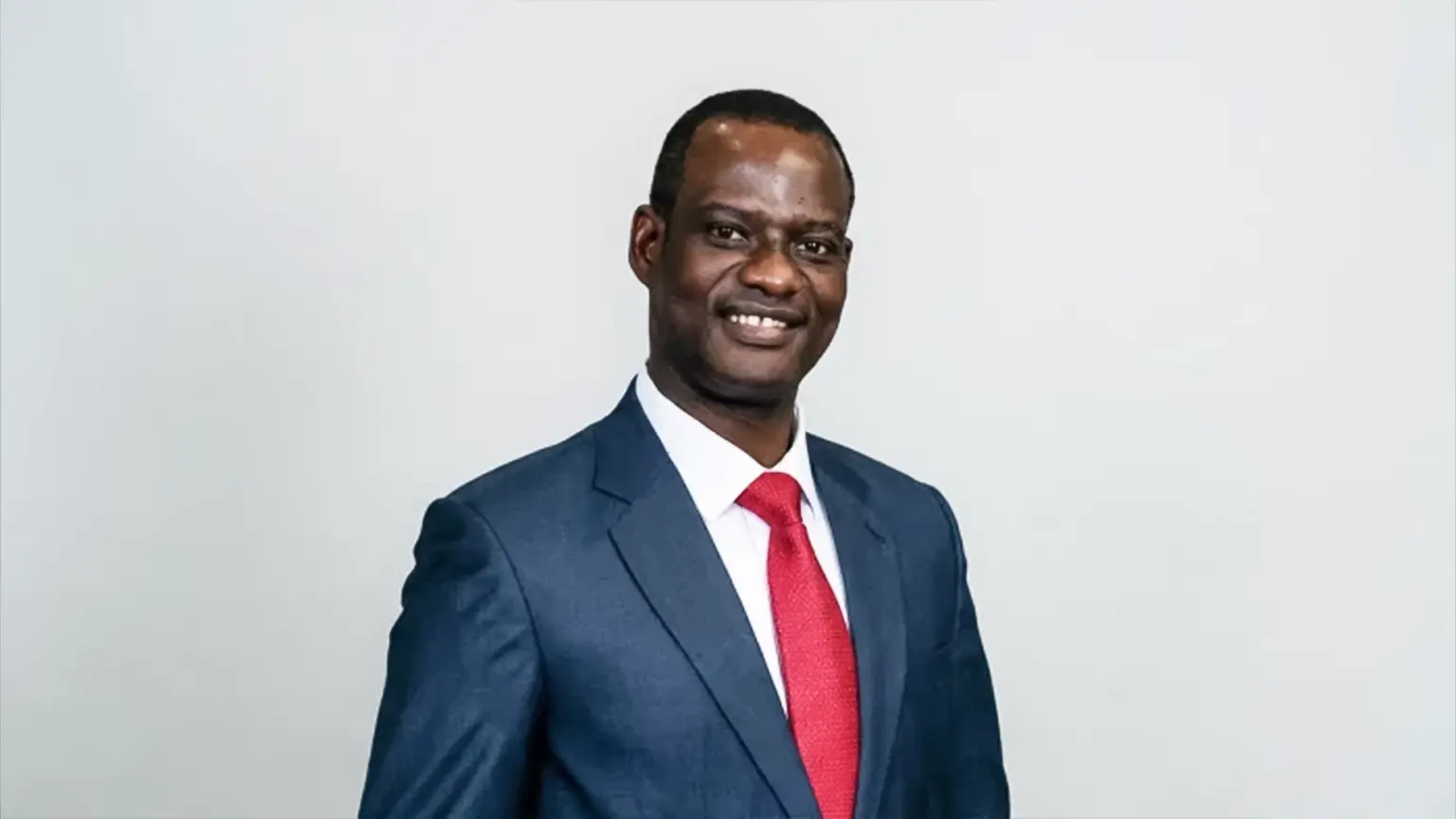
The Minister of Finance and Coordinating Minister of the Economy, Taiwo Oyedele, has insisted that the petrol discount introduced by the Nigerian National Petroleum Company Limited (NNPC) is not a return to fuel subsidy, saying the initiative does not involve public funds.
Oyedele gave the clarification in a statement on Friday, October 9, amid public debate over the Federal Government’s decision to reduce petrol prices at NNPC Retail filling stations. He said the arrangement was designed to offer temporary relief to motorists without reversing the removal of petrol subsidy in 2023.
According to the minister, the discount is being funded through a reduction in NNPC Retail’s profit margin. He explained that a retailer could lower its margin or temporarily forgo it to reduce the price paid by customers, unlike a subsidy in which the government covers part of the cost using public revenue.
Oyedele said NNPC Retail purchases petrol from the Dangote Refinery and other suppliers at market prices before adding its retail margin. He maintained that reducing this margin would allow the company to offer lower prices while keeping the arrangement within a commercial framework.
The minister also argued that the discount would not necessarily reduce dividends paid to the Federation. According to him, increased sales volumes and stronger customer loyalty could offset the lower earnings on each litre sold, potentially supporting the company’s profitability. These are the government’s projections, rather than independently verified outcomes.
Oyedele further dismissed concerns that the discount would encourage petrol smuggling into neighbouring countries. He argued that the retail margin represented less than five per cent of the pump price and that reducing it would not significantly widen the price gap between Nigeria and neighbouring markets.
In a separate statement on Friday, NNPC Limited said the discount, initially introduced on October 1 to mark Nigeria’s Independence anniversary, would continue until October 31 at its retail outlets nationwide. The company stressed that the initiative did not establish a uniform national petrol price or change the market-based pricing system.
However, the temporary measure has attracted criticism from opposition figures. Former Vice-President Atiku Abubakar questioned what would happen after the discount expires, while the Nigeria Democratic Congress described the intervention as inadequate. The government maintains that the arrangement is a commercial discount, not a restoration of the former fuel subsidy regime.