 admin
admin
The African Democratic Congress (ADC) has criticised a recent report by The Economist on President Bola Tinubu’s chances of retaining the presidency in the 2027 election, describing the publication’s analysis as poor journalism.
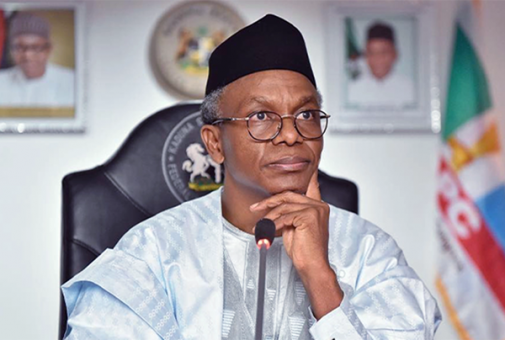
ADC National Publicity Secretary, Bolaji Abdullahi, made the criticism while reacting to the report during an interview with Trust TV. He questioned the basis of treating the international publication’s assessment as an electoral projection, arguing that a media report should not automatically be regarded as a prediction of how Nigerians will vote.
The Economist, in its October 1 report, examined factors that could influence the 2027 presidential election and suggested that Tinubu could remain electorally competitive despite dissatisfaction over insecurity, economic hardship and the effects of his administration’s reforms. The publication pointed to factors including incumbency, opposition fragmentation, religion, identity politics and voter turnout.
Abdullahi argued that the report relied too heavily on limited observations from Borno State and questioned whether interviews conducted in one part of the country could reasonably support conclusions about the wider Nigerian electorate. He said the credibility of the publication did not, in his view, exempt the particular report from scrutiny.
The ADC spokesman, a former newspaper editor, maintained that he would have rejected a similar report if it had been submitted to him during his time at ThisDay newspaper. He described the report as lacking the level of journalistic rigour he believed was required for such an assessment.
His comments are part of a wider political debate over The Economist’s assessment of the 2027 presidential contest. Other opposition figures have also challenged the publication’s conclusions, arguing that factors such as incumbency and voter turnout cannot determine the eventual decision of Nigerian voters.
The 2027 presidential election remains subject to the choices of Nigerian voters and the eventual electoral process. The Economist’s assessment is therefore an analysis of possible electoral dynamics rather than an official election result or a definitive prediction of the outcome. Political parties and candidates are expected to continue scrutinising competing assessments as campaigns and preparations for the election intensify.