 admin
admin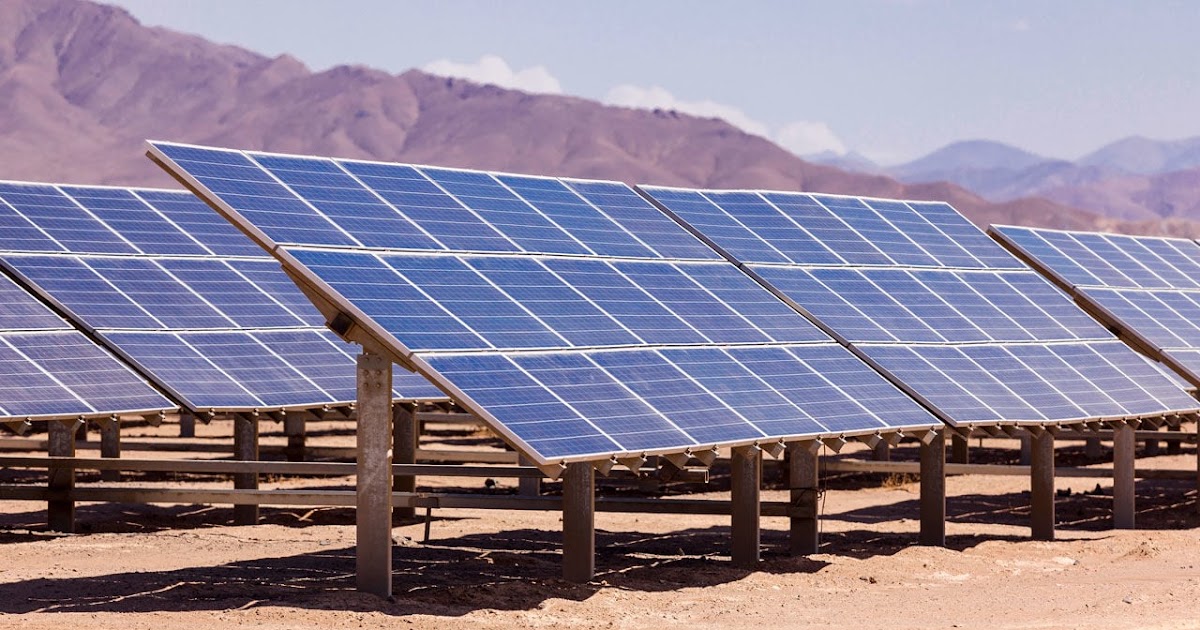
The Federal Government has said it wants to expand Nigeria’s domestic solar panel manufacturing capacity before considering restrictions on imports, amid concerns that an early ban could increase prices and limit access to alternative electricity.
The Minister of Innovation, Science and Technology, Dr Kingsley Tochukwu Udeh, disclosed that the government was engaging foreign manufacturers and potential investors to establish solar production facilities in the country.
Speaking during a media briefing, Udeh said Nigeria must develop the capacity to manufacture solar panels locally before taking steps to prohibit their importation.
“You can’t ban importation of solar panels if you do not have manufacturing capabilities in the country,” the minister said.
The Solar Power Nigeria Campaign, working with the Global Initiative for Food Security and Ecosystem Preservation (GIFSEP), welcomed the approach, warning that an immediate import ban could make solar products more expensive for households, businesses and public institutions already struggling with unreliable electricity supply.
According to the organisations, the government has been exploring investment opportunities with foreign manufacturers, including Turkish companies. Udeh said he travelled to Turkey this month following engagements initiated during President Bola Tinubu’s state visit to attract major solar manufacturers to Nigeria. Memoranda of Understanding are expected to be signed with prospective investors, according to the organisations’ statement.
The government is also seeking to strengthen quality control to prevent substandard solar panels and components from entering the Nigerian market. Udeh said local production could help reduce costs by limiting expenses associated with shipping and import duties, while government support could further improve affordability.
The initiative also includes skills development through the Barefoot Renewable Energy College, which was commissioned last month to train artisans in solar manufacturing and installation. The government expects improved technical skills to strengthen installation standards and reduce the cost of solar products and services.
Udeh added that the Renewed Hope Solarisation Project was facilitating the transition of federal institutions, including academic institutions, towards solar power through the Energy Commission of Nigeria.
The policy comes as households and businesses continue to rely on alternative power sources to supplement electricity from the national grid. The Solar Power Nigeria Campaign and GIFSEP said the grid supplies approximately 4,000 to 5,000 megawatts to a population exceeding 200 million, underscoring the need to expand access to alternative energy.
GIFSEP’s Founder and Executive Director, Michael Terungwa David, commended the minister for prioritising domestic production before restricting imports. He also urged the government to publish a clear, time-bound manufacturing roadmap developed in consultation with industry operators and civil society organisations.
David called for incentives and affordable financing for manufacturers, installers and households, alongside stronger enforcement of product quality standards in collaboration with the Standards Organisation of Nigeria.
While the proposed expansion of local manufacturing could create industrial and employment opportunities, the pace of investment, production capacity and the affordability of locally manufactured panels will be important factors in determining whether Nigeria can reduce import dependence without making solar energy more expensive for consumers.