 admin
admin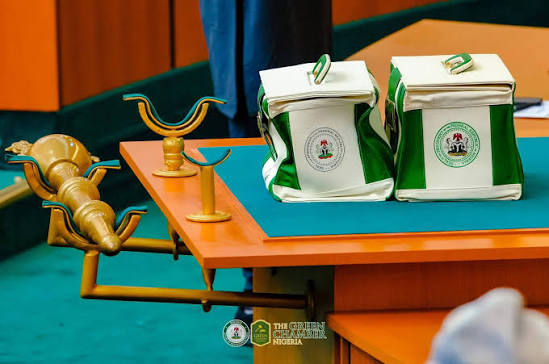
Nigeria’s fiscal planning has come under renewed scrutiny after the National Assembly extended the implementation of the capital component of the 2025 budget to December 31, 2026, allowing it to run alongside the 2026 appropriation.
The latest extension, approved by both chambers of the National Assembly, is the fourth adjustment to the deadline. The 2025 capital budget was initially scheduled to end on December 31, 2025, but was subsequently extended to March 31, June 30, September 30 and now December 31, 2026.
The extension was justified by lawmakers and the Federal Government as necessary to allow ministries, departments and agencies to complete ongoing capital projects, settle outstanding obligations and prevent approved projects from being abandoned. However, analysts have raised concerns about the effect of repeated rollovers on fiscal discipline, transparency and project monitoring.
The concern is reinforced by the relatively low level of capital budget implementation recorded in 2025. President Bola Tinubu said when presenting the 2026 budget that only about N3.1 trillion, representing roughly 17 per cent of the 2025 capital budget, had been released by the third quarter, with government also prioritising unfinished projects from the previous budget cycle.
The 2026 budget also incorporated N5.71 trillion in outstanding capital obligations carried over from the 2025 appropriation. The inclusion illustrates the scale of unfinished commitments being transferred into the new fiscal framework while the previous capital budget remains active.
Experts cited in the latest analysis warned that prolonged budget overlaps can make it harder to distinguish between appropriations, releases, expenditure and completed projects. They also said delayed execution and payment could increase financing pressures on contractors, complicate infrastructure planning and create uncertainty for businesses and investors that depend on government projects.
The repeated extensions also come against President Tinubu’s earlier commitment to move Nigeria towards a single budget and revenue cycle without overlaps or rollovers. With the 2025 capital budget now extending through the end of 2026, concerns remain over whether government can improve execution, strengthen accountability and prevent unfinished projects from becoming a recurring feature of Nigeria’s annual budgeting process.