 admin
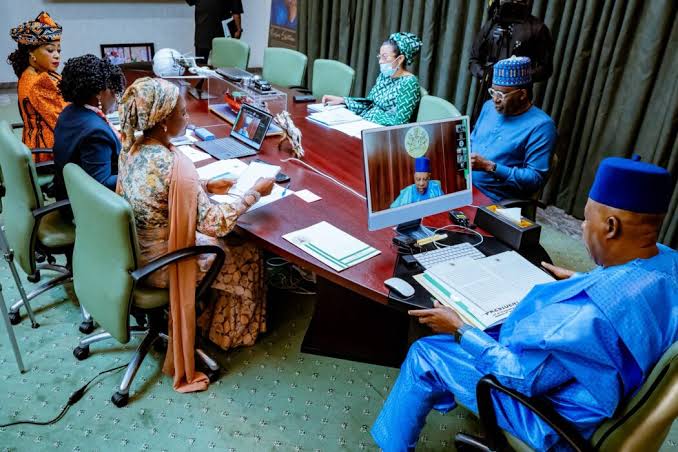
The National Economic Council (NEC) has endorsed a 90-day economic action plan aimed at easing the cost of living, improving food affordability and strengthening investment across Nigeria.
The plan, proposed by the Federal Ministry of Finance, was presented by the Minister of Finance and Coordinating Minister of the Economy, Taiwo Oyedele, at the Council’s 161st meeting held virtually on Thursday, October 22, 2026. The meeting was chaired by Vice President Kashim Shettima.
According to a statement from the Office of the Vice President, the initiative is designed to consolidate the gains of President Bola Tinubu’s economic reforms while ensuring that improvements in key economic indicators translate into tangible benefits for households and businesses.
The plan identifies five priority areas: food affordability, tax harmonisation, completion of high-impact projects, removal of investment bottlenecks and regulated household support. NEC also approved the establishment of a national dashboard to monitor ongoing projects across the country and improve transparency in the use of funds, including proceeds from the removal of the petrol subsidy.
During the meeting, Oyedele identified reducing headline inflation and interest rates to single digits by 2027 as key policy objectives. He stressed the need for coordinated implementation by federal and state institutions to sustain economic recovery and improve conditions for businesses and ordinary Nigerians.
Shettima urged state governors and relevant institutions to ensure that economic reforms lead to better living conditions, including affordable transportation, improved healthcare, more employment opportunities and greater financial security.
He said the success of government policies should be measured by their impact on citizens, rather than by announcements or the number of projects launched. The Vice President also called for stronger cooperation between federal and state governments to address practical challenges affecting Nigerians.
On transportation, NEC considered plans to establish a joint financing framework for the Federal Government and states to accelerate the deployment of compressed natural gas (CNG) and electric vehicles. The Council also directed relevant authorities to engage transport unions and operators to ensure that savings from alternative-energy vehicles translate into lower fares for commuters.
Beyond economic issues, the Council received updates on Nigeria’s Ebola preparedness and polio eradication efforts. Health Minister Muhammad Ali Pate urged states to strengthen their emergency response systems, while the Council called for improved immunisation coverage, timely release of counterpart funds and closer coordination in communities affected by insecurity.
NEC also reviewed the potential of the livestock sector to generate jobs and support livelihoods, resolving to strengthen cooperation between federal and state governments to accelerate development in the industry.
Although the 90-day plan outlines measures intended to address economic pressures, its impact will depend on implementation, coordination and whether the proposed interventions produce measurable improvements in food prices, transport costs and household welfare.