 admin
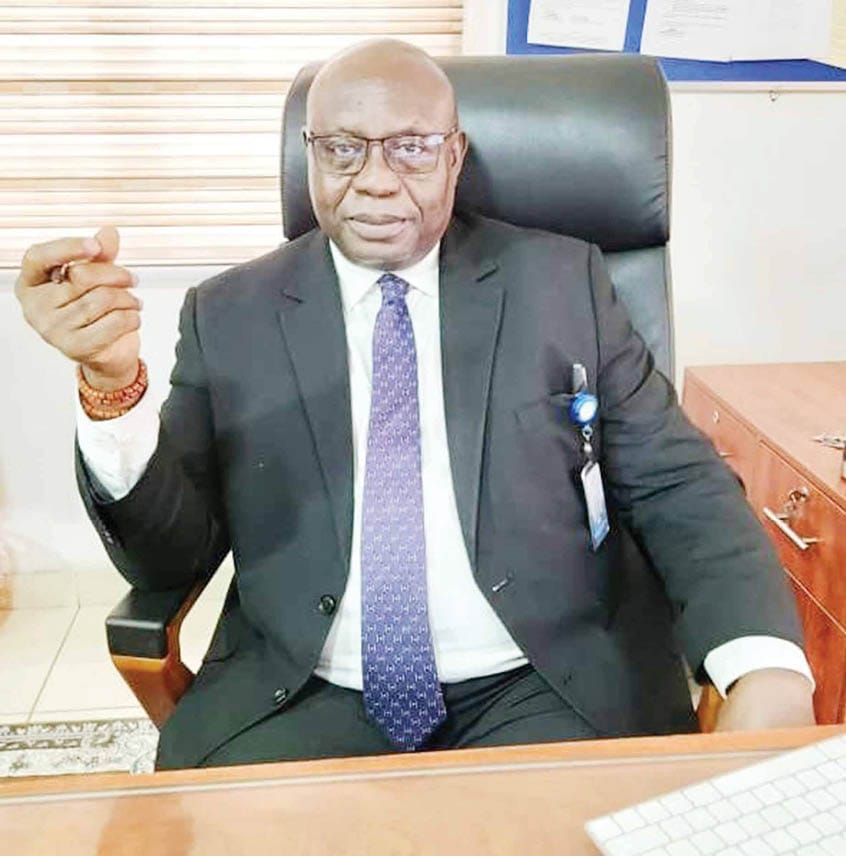
Former National Commissioner for Information and Voter Education at the Independent National Electoral Commission (INEC), Festus Okoye, has criticised Nigeria’s political elite over what he described as their attitude towards free, fair and transparent elections ahead of the 2027 general polls.
Okoye made the remarks on Channels Television’s The Morning Brief on Tuesday, October 20, 2026, alleging that political actors were more interested in buying votes than allowing Nigerians to freely determine their leaders through credible elections.
He argued that vote-buying undermines the power of citizens to make independent electoral choices, warning that the practice threatens the principle of popular sovereignty upon which democratic governance rests.
According to Okoye, credible elections require voters to cast their ballots without intimidation, coercion or pressure from political interests. He said the electoral process should protect citizens’ choices rather than allow money or other inducements to influence the outcome.
The former INEC commissioner also criticised political parties for what he described as a lack of clear ideological direction and issue-based campaigning. He alleged that some parties were more concerned with finding ways to prevent votes from counting than presenting policies capable of addressing Nigerians’ concerns.
Okoye called for continued improvements in the electoral process, including the deployment of technology where appropriate. He also urged the media, civil society organisations and citizens to monitor the activities of political actors before, during and after elections.
He further drew attention to the role of ad hoc electoral personnel, including National Youth Service Corps members and other temporary workers recruited by INEC, noting their prominent responsibilities in conducting elections at polling units.
His comments come amid broader concerns about electoral credibility ahead of the 2027 general elections. In earlier remarks, Okoye had also identified vote-buying, insecurity and problems surrounding party primaries as potential challenges to the polls.
As preparations for the next general election continue, his latest intervention adds to calls for stronger electoral safeguards, issue-based campaigns and greater public scrutiny of political parties and candidates.