 admin
admin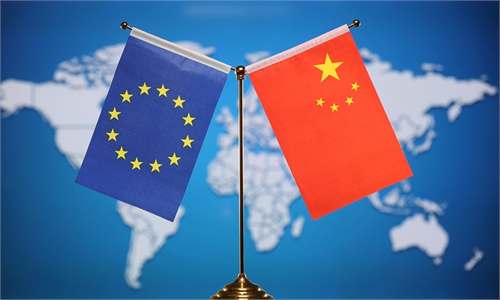
The European Un0ion and China have reached an understanding on hybrid vehicle trade and agreed to improve cooperation on rare earth exports following high-level trade talks aimed at easing tensions between the two economic powers.
The development followed two days of discussions in Beijing between European Trade Commissioner Maroš Šefčovič and Chinese Commerce Minister Wang Wentao on October 8 and 9, 2026. The talks focused on trade imbalances, market access and restrictions affecting key industrial supplies.
According to China’s Commerce Ministry, the two sides reached an understanding on hybrid vehicle trade in a manner consistent with World Trade Organisation rules. However, the specific terms of the arrangement were not fully disclosed in the initial announcement. Reuters and other international media outlets reported the development.
Rare earth minerals and permanent magnets were also central to the discussions. China indicated that it would continue facilitating export licence procedures for shipments to the European Union, an important development for European manufacturers that depend on the materials for automotive production, electronics and other industrial applications.
The negotiations took place amid growing trade tensions, with European officials concerned about the bloc’s widening trade deficit with China and the impact of Chinese imports on European industries. The EU has also raised concerns about Chinese subsidies and competition in the automotive sector.
Despite the disagreements, both sides signalled their willingness to maintain dialogue and pursue practical solutions to trade disputes. Further discussions are expected as the EU and China seek to address outstanding concerns over market access, export controls and the balance of their commercial relationship.
The latest understanding represents a step towards managing trade tensions, although important details remain unresolved. Its practical impact will depend on how the commitments are implemented and whether they deliver more predictable access to critical materials and fairer trading conditions for businesses on both sides.