
 admin
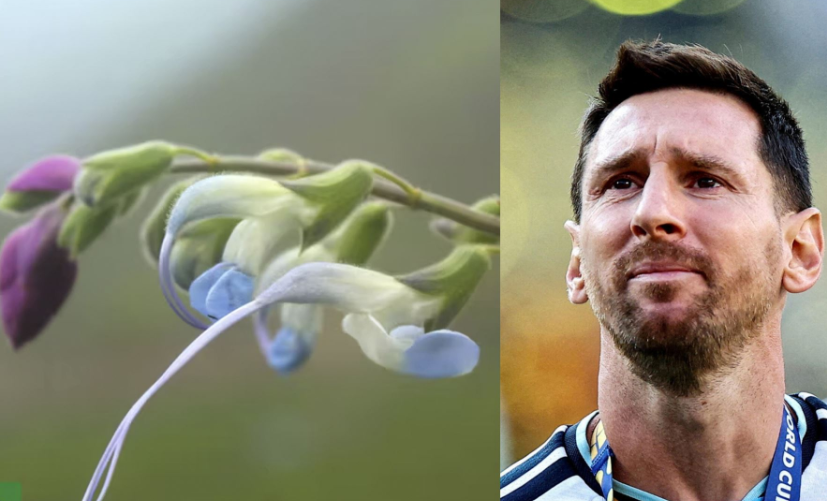
Lionel Messi has received an unusual honour beyond the football pitch, with scientists naming a newly described plant species after the Argentine superstar. However, the recognition comes with a conservation concern: the plant has been assessed as endangered.
The species, named Salvia messii, is native to the central and southern Peruvian Andes. Its formal scientific description was published in the October 2026 issue of Phytotaxa, a scientific journal specialising in plant taxonomy.
Researchers say the plant’s flowers display pale blue and white colours reminiscent of Argentina’s national football team jersey, providing a connection to the eight-time Ballon d’Or winner. The plant belongs to the mint family and can grow to approximately 1.5 metres tall.
It grows on rocky, relatively dry mountain slopes at elevations of about 2,000 to 2,400 metres above sea level. The researchers identified a restricted distribution, with the species recorded in a limited number of locations in Peru.
The study was led by Paúl Gonzáles of the Natural History Museum at the National University of San Marcos in Peru, alongside Argentine researcher Rolando Uría and biologist Jean Capcha-Ramos of Huarango Nature.
The researchers assessed Salvia messii as Endangered, citing its limited range and threats to its habitat. Reports on the research identify recurring wildfires, habitat degradation and drought-related pressures associated with climate change among the concerns affecting the plant’s survival.
The discovery also highlights the importance of studying and protecting the distinctive vegetation surrounding Peru’s western Andean relict forests. While the name celebrates Messi’s global influence, the scientists’ findings draw attention to a species whose future depends on the conservation of its fragile mountain habitat.