
 admin
admin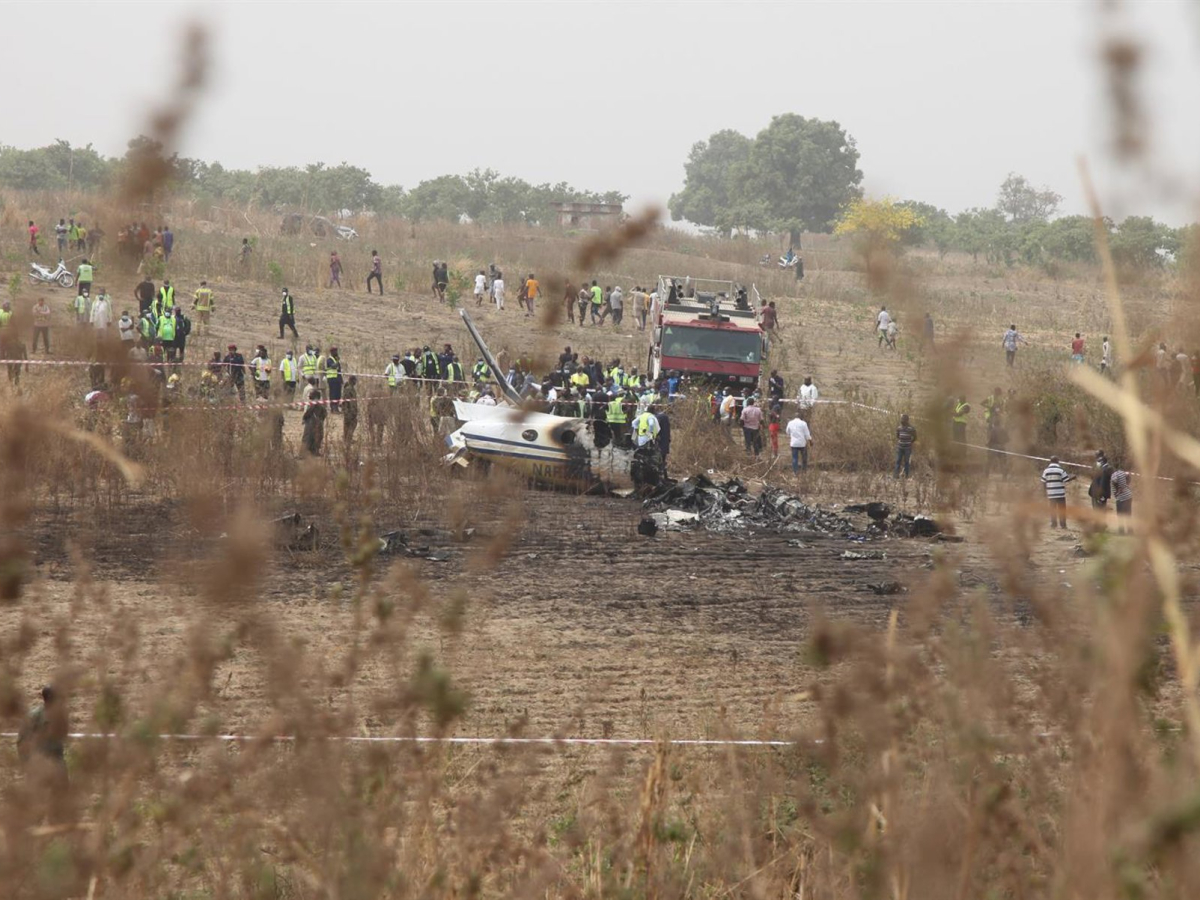
Residents of Igbokoda, headquarters of Ilaje Local Government Area in Ondo State, have called for urgent environmental intervention following complaints of a persistent foul smell around the site of the Nigerian Air Force aircraft crash on October 5.
The residents fear that decomposing human remains and possible aviation-fuel leakage could threaten the surrounding waterways and worsen living conditions in the coastal community. They have urged the authorities to intensify recovery operations, assess the environmental impact and provide safe drinking water while the situation is addressed.
The Olu of Igbokoda, Oba Afolabi Odidiomo, described the odour as unbearable and said he believed unrecovered human remains in the swamp were contributing to the problem. He also raised concerns about what appeared to be traces of fuel on the river some distance from the crash site.
According to residents quoted in media reports, the smell has spread into nearby residential areas. Omogbemi Damola said she had continued to perceive unpleasant odours since the accident, while another resident, Oroyo Levy, called for swift action to address the community’s concerns about air quality and possible health risks.
The aircraft, an ATR-42 identified as NAF 931, crashed into a swamp near the Nigerian Navy’s Forward Operating Base in Igbokoda while travelling from Benin City to Lagos. The Nigerian Air Force confirmed that all 25 people on board five crew members and 20 passengers died in the incident.
The Air Force announced on October 13 that it had established a 12-member Aircraft Accident Investigation Board to examine the circumstances surrounding the crash. Search and recovery operations were also continuing, with the investigation expected to consider operational, technical, environmental, human and organisational factors.
Residents are urging the relevant authorities to recover any remaining human remains and aircraft debris, investigate possible fuel leakage, conduct appropriate environmental tests and provide safe water where necessary. The extent of any contamination has not been independently established in publicly available test results, making an official environmental assessment important to determine the risks and the appropriate response.